
Principal Investigator
Dr. Aneka Brown
Dr. Brown leads the scientific direction of the project. She is ready to begin recruitment and community-facing work, but project activity must still follow sponsor, compliance, and institutional requirements.
Year 1 Overview
Year 1 follows the first stage of Dr. Aneka Brown’s funded public health project. The award has been issued, the team is ready to begin, and Marcus Rivera must help determine what can move forward, what must pause, and what needs to be documented.
The Story Begins
Dr. Brown began with a public health problem: residents in underserved communities were often seeking medical care only after their health conditions had become serious.
She developed a research proposal to study barriers to preventive healthcare access and received a three-year, $350,000 NIH award. For the project team, the award feels like the green light they have been waiting for.
But for Marcus Rivera, the post-award research administrator, the award is only the beginning. Before the project can move at full speed, Marcus must review approvals, award terms, budget activity, staffing plans, documentation, and internal controls.
Year 1 asks one main question: Can the project begin responsibly?
People in the Startup Year
Principal Investigator
Dr. Brown leads the scientific direction of the project. She is ready to begin recruitment and community-facing work, but project activity must still follow sponsor, compliance, and institutional requirements.
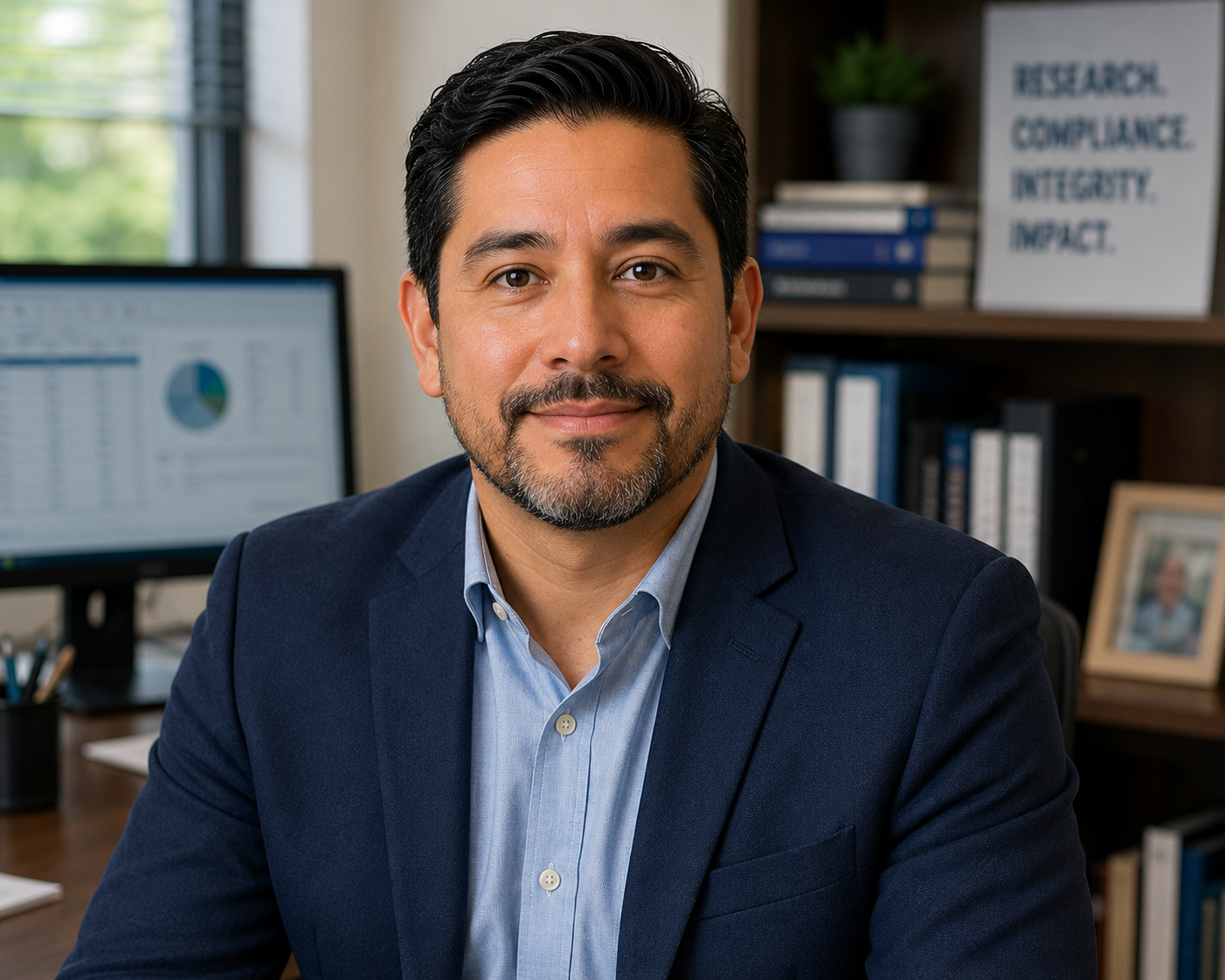
Post-Award Research Administrator
Marcus helps the project move forward responsibly by reviewing award documents, monitoring financial activity, identifying risks, gathering information, and documenting next steps.
Year 1 Story Sequence
The Year 1 events are connected. Each event adds another layer to the startup record and shows how post-award administration protects the project before problems become larger.
Dr. Brown is ready to begin recruitment, but Marcus discovers that final IRB approval is still pending. The project is funded, but participant-facing work cannot begin yet.
A key project position remains vacant. At first, the unspent salary looks like savings, but Marcus recognizes that delayed hiring may signal delayed project activity.
Spending is lower than expected. Marcus reviews the budget activity with the project timeline to understand whether the award is progressing as planned.
Dr. Brown wants to attend a conference using award funds. Marcus reviews whether the travel supports the approved project purpose and whether the documentation is strong enough.
A restaurant charge appears on the project. Marcus does not assume it is wrong, but he checks whether the cost is reasonable, allocable, documented, and tied to project work.
The team needs tablets for data collection, but the purchase was not in the original budget. Marcus reviews whether the need is allowable, properly categorized, and requires additional approval.
Participant activity increases, and incentive records must be reconciled. Marcus helps identify whether the issue is a control problem, a documentation gap, or a correctable filing error.
The learner looks across the first year and connects compliance approvals, budget review, spending decisions, documentation, and internal controls into one startup narrative.
Post-Award Lens
The startup year teaches that research administration is not just reacting to problems. It is watching for early signals, asking the right questions, gathering the right records, and helping the team move forward without creating avoidable risk.
Marcus is not the scientific lead, the finance office, the IRB, or the sponsor. His role is to connect the administrative pieces: what the award allows, what the project is doing, what the records show, and what needs to happen next.
By the end of Year 1, learners should understand that a funded project needs controls before it needs speed.
Begin the Story
Event 01 begins one week after the award is active. Dr. Brown is ready to recruit participants, but Marcus must confirm whether the required approvals are in place.